Holdem, Omaha and Short Deck
Betting, hand state, settlement and documented poker-mode workflows.
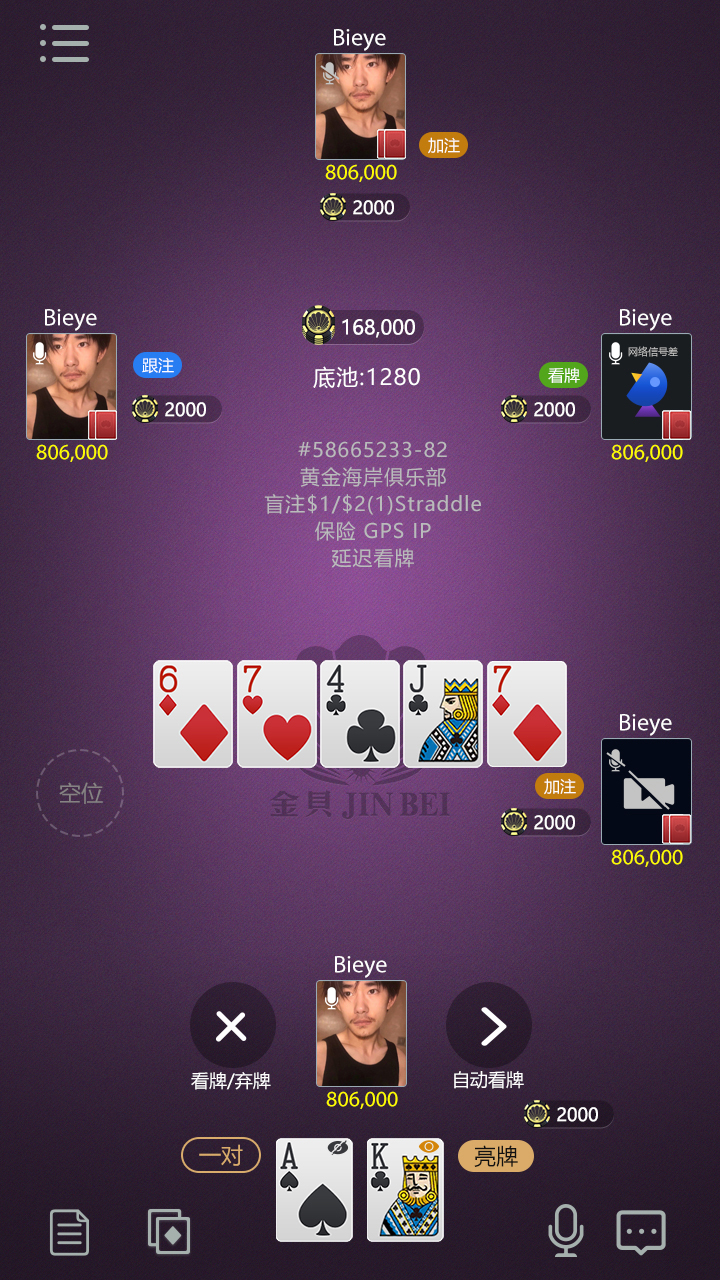
Unity Client · C++ Game Server
A complete foundation for real-time multiplayer poker products, covering mobile clients, game-server components, clubs, alliances, private tables, MTT, SNG, data services and operations modules.
Complete Poker Platform
The project uses Unity and C# for iOS and Android clients, C++ for rooms, hand state, betting, settlement and real-time messaging, plus MySQL and Redis for persistence, caching and sessions.
Product Scope
Betting, hand state, settlement and documented poker-mode workflows.
Club management, invitations, friend games, alliances and club currency.
Registration, table management, multi-table events and rankings.
Mobile interfaces, interactive assets, platform SDKs and editor tools.
Player connections, room messages, betting commands and game lifecycle.
Persistence, caching, sessions, rankings, orders and operations workflows.
Architecture
The documented flow connects Unity mobile clients to C++ game services, MySQL, Redis and operations modules. Validate the source, dependencies and concurrency requirements independently before deployment.
Tables, clubs and tournament experiences.
Rooms, state machine, betting and settlement.
Persistent data, cache and sessions.
Users, orders, store and leaderboards.
Real Product Screens
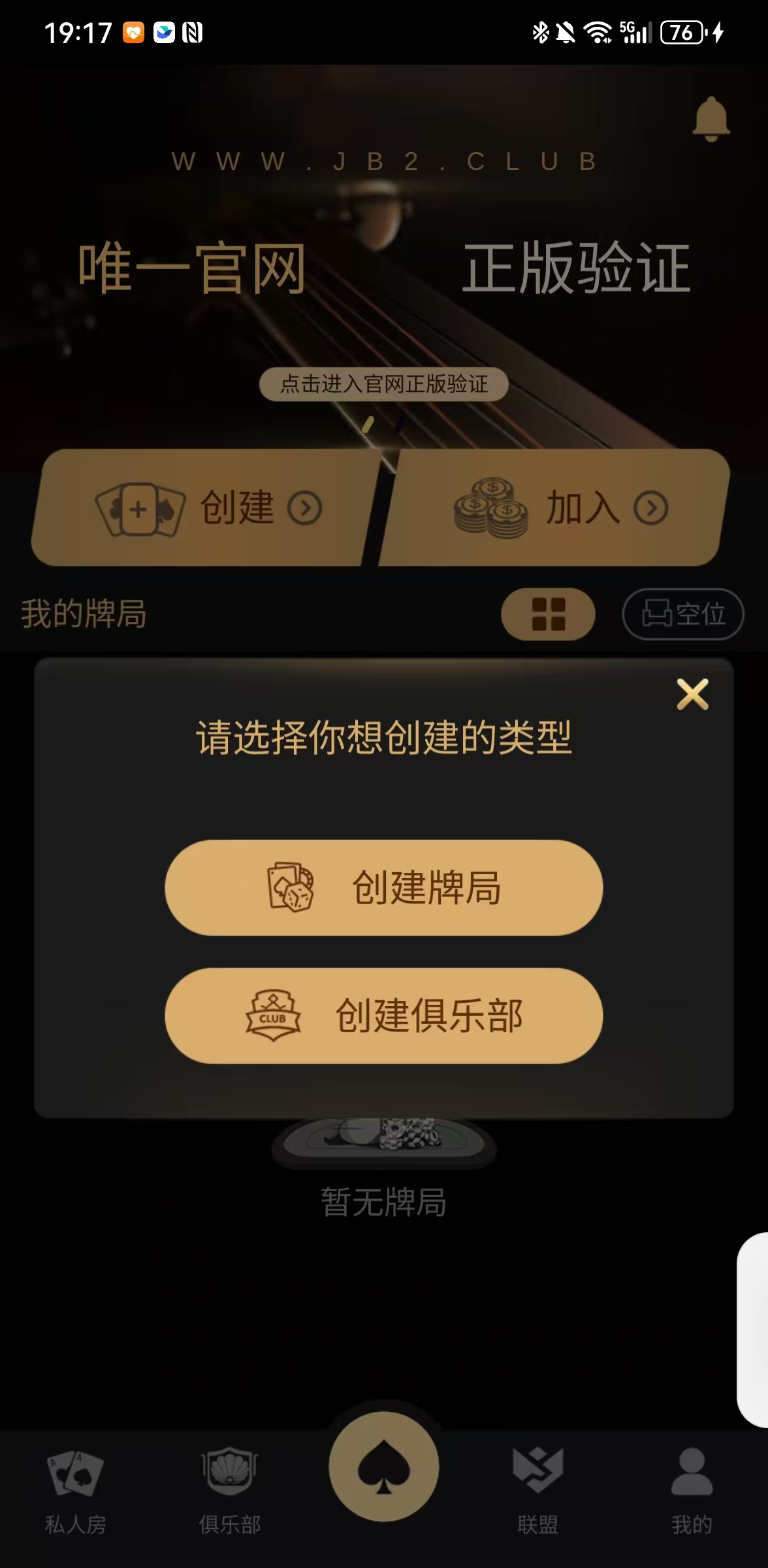
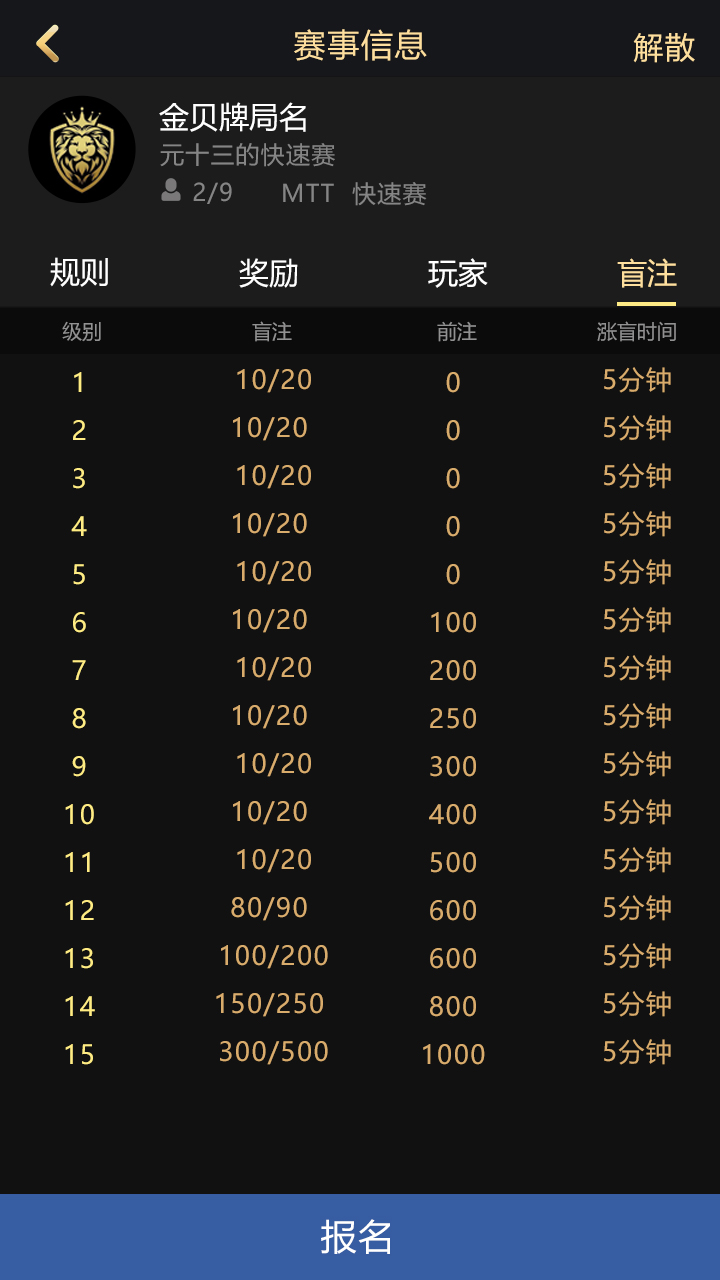
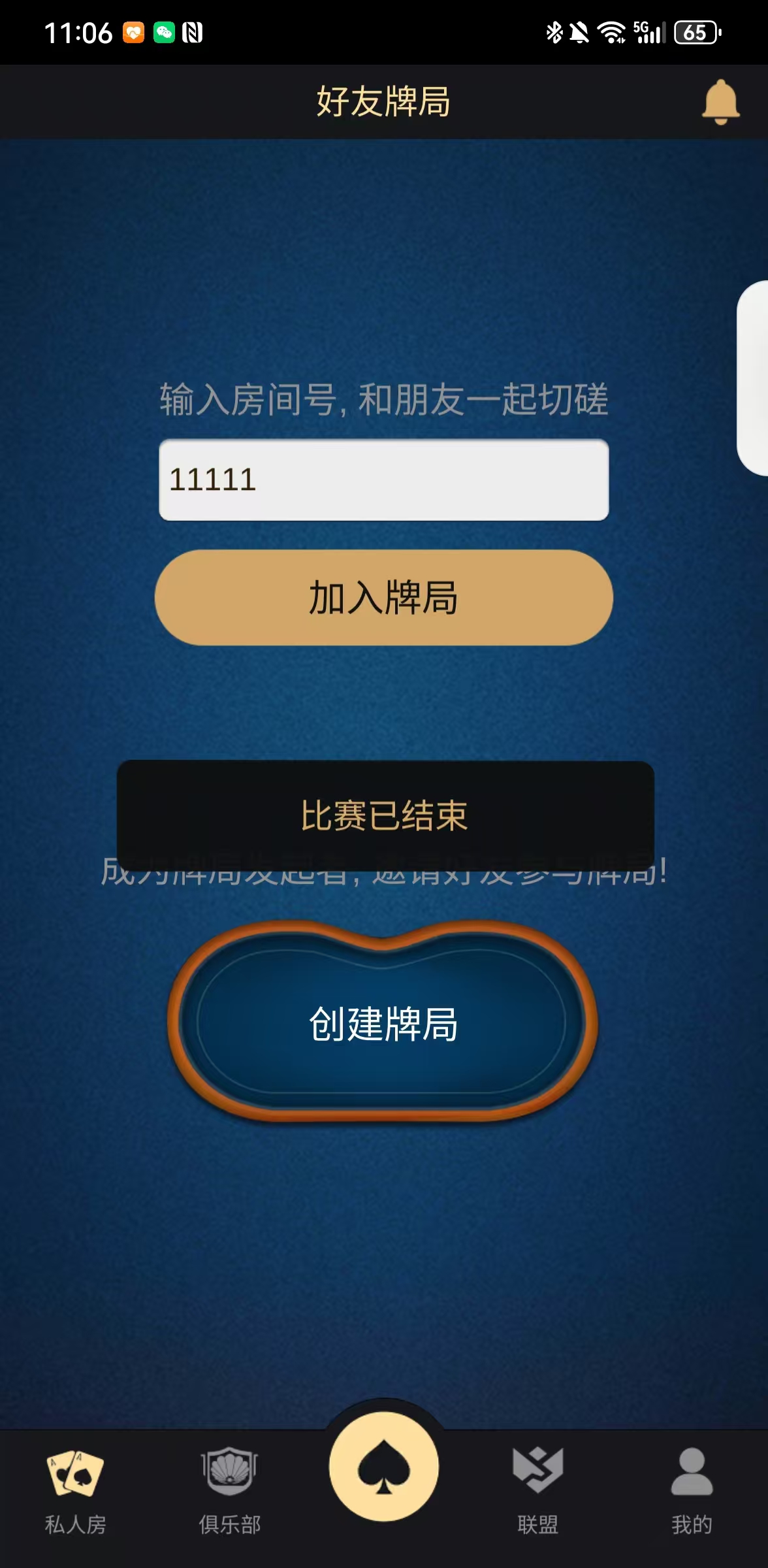
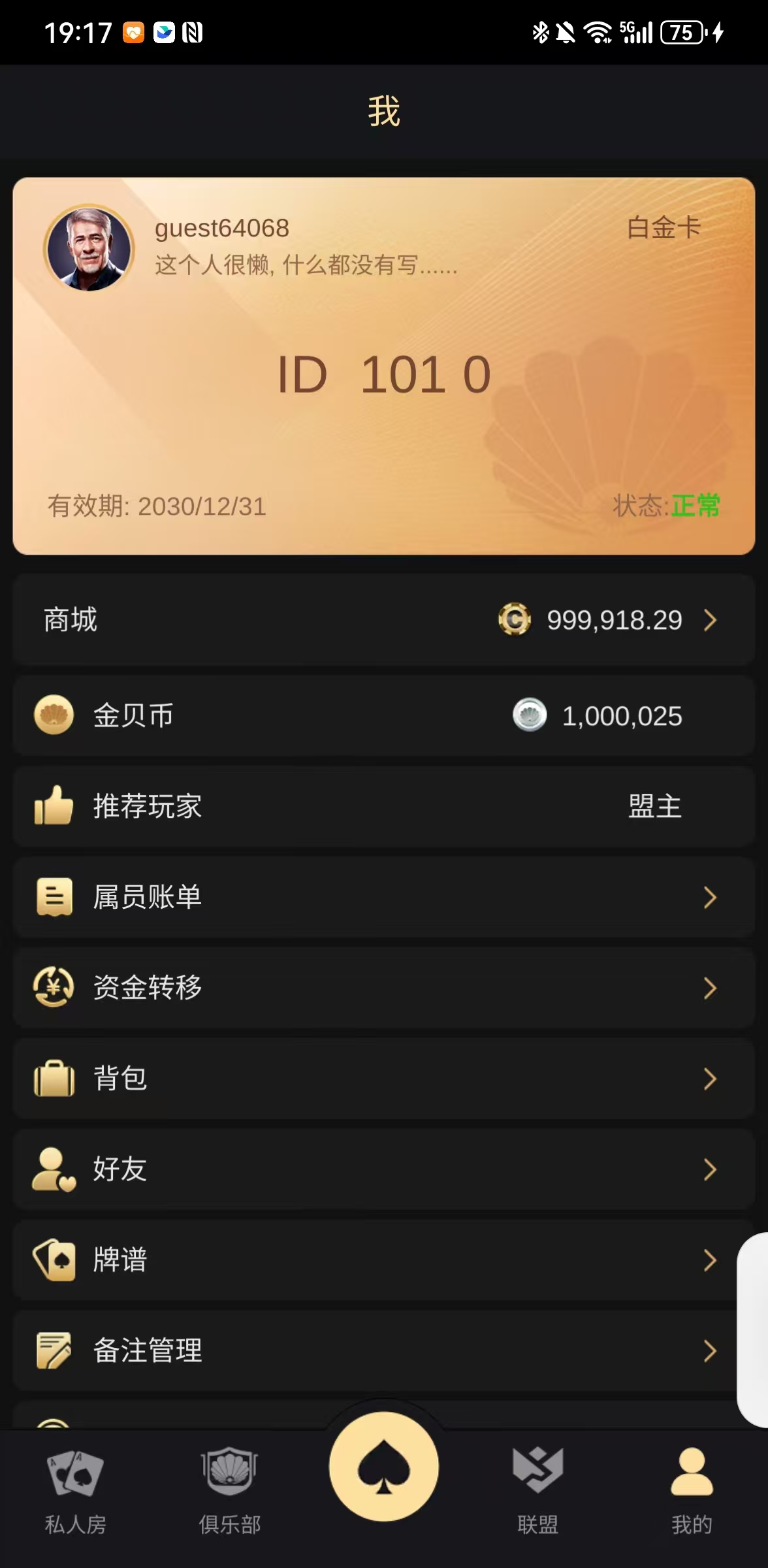
Review the repository structure, product documentation and real interface screenshots. The public material is for research, demonstration and technical evaluation. Review licensing, security, dependencies and regional regulations before commercial deployment.